




Share This Article


A car accident can upend your life in seconds. Between mounting medical bills, missed paychecks, and insurance adjusters calling before you have even finished your first round of treatment, knowing where to turn matters. This guide breaks down Virginia-specific car accident law, walks you through each phase of an injury claim, and explains how a Richmond-based personal injury law firm can help you move forward.
Key Takeaways
-
Commonwealth Law Group handles motor vehicle accident cases throughout Richmond and Central Virginia, offers a free consultation, and charges no attorney's fee unless we recover compensation on your behalf.
-
A car accident personal injury lawyer can manage your insurance claim, calculate damages including medical bills, lost wages, and pain and suffering, and file a car accident lawsuit in Virginia courts if the insurer refuses a fair settlement.
-
Virginia imposes strict deadlines. Most personal injury claims must be filed within two years of the crash date under Virginia Code § 8.01-243(A), and critical evidence can disappear long before that deadline arrives.
-
You may have a claim if another driver caused the crash. Choosing a personal injury lawyer who understands Virginia's contributory negligence rule can significantly impact your claim outcome.
-
Contact Commonwealth Law Group by phone or through HurtInVA.com right away after an auto accident for immediate, obligation-free guidance.
Why Work with a Car Accident Personal Injury Lawyer in Richmond, Virginia?
A serious car accident on I-95, I-64, or Broad Street can leave you dealing with emergency room visits, follow-up imaging appointments, and a stack of insurance paperwork, all while you are trying to heal. You should not have to figure out Virginia personal injury law on top of everything else.
Handling a claim on your own might seem simpler at first, but insurance companies involved in car accident claims have teams of adjusters and attorneys working to minimize what they pay. An experienced car accident attorney in Richmond deals with these insurers, deadlines, and evidence requirements every day. That familiarity matters. A personal injury lawyer acts as your advocate and negotiator after a car crash, and hiring a lawyer can maximize your compensation amount by ensuring nothing falls through the cracks.
Here is what a car accident lawyer does in practice:
-
Protects you from low car accident settlements offered before the full scope of injuries is known
-
Coordinates with medical providers and tracks treatment costs
-
Documents long-term or permanent injuries with the help of medical records, imaging, and, when needed, expert witnesses
-
Prepares your case for trial if insurance negotiations fail, because trial readiness can lead to higher settlements from insurance companies
A lawyer's experience with your type of case may influence the outcome, and lawyers help navigate complex legal processes after accidents that most people encounter only once in a lifetime. The sections below cover exactly what we do, what to do after a crash, and how Virginia law affects every step.
About Commonwealth Law Group and Our Richmond Car Accident Legal Team
Commonwealth Law Group is a Richmond, Virginia personal injury law firm serving individuals hurt in motor vehicle accidents across the Commonwealth. Our legal team represents people injured in car crashes, truck collisions, motorcycle wrecks, pedestrian accidents, and hit and run accidents in and around Richmond, Henrico, Chesterfield, and throughout Virginia.
We provide free consultations, work on a contingency fee basis, and communicate directly with personal injury clients rather than routing everything through layers of staff. Car accident lawyers work on a contingency fee basis, which means you pay no upfront fees and owe nothing unless we secure compensation for you.
-
Our practice focuses on personal injury cases in Richmond, including auto accident, workers' compensation, medical malpractice, and wrongful death claims.
-
We represent English- and Spanish-speaking clients.
-
Injured people can reach us through HurtInVA.com or by phone, including after hours for serious car accident cases.
What to Do Immediately After a Car Accident in Virginia
Picture this: you are heading south on Midlothian Turnpike during the evening commute when another vehicle runs a red light and strikes your driver-side door. Your decisions in the next few minutes affect both your health and any future injury claim.
Here is what to do:
-
Move to safety if you can, and turn on hazard lights.
-
Call 911. Request police and medical assistance. File a police report to create an official record of the accident, because claims require evidence like police reports and medical records.
-
Exchange information with the other driver: name, insurance, license plate, phone number. Do not admit fault or apologize at the scene.
-
Document the accident scene with photos and witness statements. Photograph vehicle damage, skid marks, traffic signals, weather conditions, and any visible injuries. This evidence is central to car accident cases.
-
Seek medical attention immediately. Even if you feel fine, conditions like concussions, whiplash, and internal injuries often worsen over 24 to 72 hours. Delaying medical treatment gives insurers ammunition to question whether the crash actually caused your injuries.
-
Notify your insurance company about the accident promptly, but avoid providing a recorded statement to any insurance adjuster before speaking with a car accident attorney.
-
Keep records of all medical treatments and expenses related to the accident from day one.
Contact a Richmond car accident lawyer as soon as reasonably possible, before insurers lock you into a version of events that undervalues your claim.

Common Causes of Motor Vehicle Accidents in Richmond and Central Virginia
Richmond-region roads have already seen 60 people killed and 471 seriously injured so far in 2026, with economic and comprehensive costs estimated at $1.5 billion. Richmond's Vision Zero data shows that 49% of fatal and serious injury crashes occur at intersections, and arterial roads like Broad Street and the I-95/I-64 corridors account for a disproportionate share.
Common causes of automobile accidents in the region include:
-
Distracted driving. In 2019, 18.1% of all Virginia traffic crashes involved distracted driving, including cell phone use and GPS operation.
-
Speeding. Responsible for approximately 32% of fatal and serious injury crashes statewide in recent years.
-
Drunk or drug-impaired driving. A consistent contributor to fatal crashes across Central Virginia.
-
Running red lights, tailgating, and failure to yield. Especially dangerous at Richmond's busy intersections.
-
Work zone crashes along I-95 and I-64 caused by negligent drivers making sudden lane shifts, ignoring reduced speed limits, or driving through areas of reduced visibility, where proving the elements of negligence in Virginia is essential.
-
Weather-related collisions. Rain, fog, and black ice can still involve negligence if drivers fail to adjust speed or following distance.
Identifying the specific cause of your crash supports your injury claim and helps your legal team determine who is legally responsible.
Types of Car Accident Cases We Handle
Car accident cases vary widely, and each type can require a tailored investigation and legal strategy. Here are the key case types our firm handles:
-
Rear-end collisions: Often caused by tailgating or distracted driving. Whiplash is common in rear-end collisions, causing neck pain and sometimes long-term complications.
-
Head-on crashes: Among the most dangerous, frequently resulting in traumatic brain injuries or fatal outcomes.
-
T-bone and side-impact crashes: Particularly common at city intersections where liability is often disputed.
-
Multi-vehicle pileups on interstates: Complex reconstruction may be needed to determine fault among multiple drivers.
-
Rollover accidents: Can involve vehicle defects alongside driver error.
-
Hit and run accidents: Present unique insurance and investigation challenges.
-
Crashes involving commercial vehicles, rideshare services, or government-owned vehicles: These may have different insurance structures and notice requirements.
Even a low-speed fender-bender in a parking lot or on a neighborhood street can cause serious injuries and justify an injury claim. Each case type raises distinct issues, from disputed liability in intersection crashes to complex evidence collection in multi-car wrecks.
Injuries We Commonly See After Auto Accidents
Some car accident injuries appear immediately at the scene, while others surface days or even weeks later. That is why prompt evaluation and thorough documentation are critical for every accident victim.
Typical injuries in motor vehicle accident cases include, for example, crashes that occur while attending local events like those featured in our Richmond summer festival guide:
-
Whiplash and soft tissue injuries like sprains, which are frequent in car accidents and can cause chronic pain
-
Fractures and broken bones requiring extensive medical care, including surgery and lengthy rehabilitation
-
Spinal cord injuries and herniated discs that can result from the impact of a crash and may cause permanent disability
-
Traumatic brain injuries and head injuries from crashes that may lead to cognitive problems, memory loss, and personality changes
-
Facial injuries including lacerations and orbital fractures
-
Internal organ damage that can occur from blunt force trauma in accidents and may not be apparent at the scene
-
Psychological trauma such as anxiety, depression, or PTSD
Severe injuries can require surgery, extended physical therapy, and long-term care, significantly impacting an injured person's ability to return to work or school. Our legal team works with treating physicians and, when appropriate, expert witnesses like medical specialists or life-care planners to explain the full impact of these injuries in a car accident lawsuit, and founding partner Lauren Carroll brings extensive experience coordinating benefits and advocating for injured Virginians.
Keep copies of all medical records, imaging reports, and prescriptions. These documents are central to proving damages in any insurance claim.

Virginia Car Insurance and How It Affects Your Injury Claim
Virginia has unique car insurance rules that directly affect what injured drivers can recover after a crash, and insurance companies sometimes underpay valid claims, making it important to understand insurance claim disputes and bad faith. Before 2025, Virginia even allowed drivers to pay an uninsured motor vehicle fee instead of carrying insurance, but that option has ended.
As of January 1, 2025, Virginia requires liability insurance with minimum limits of $50,000 per person for bodily injury, $100,000 per accident for bodily injury, and $25,000 for property damage, according to the Virginia State Corporation Commission.
Key coverages to understand:
-
Bodily injury liability: Pays for injuries you cause to others.
-
Property damage liability: Covers damage to another person's vehicle or property.
-
Uninsured motorist (UM) coverage: Applies when an at fault driver has no insurance or in a hit and run. Virginia law requires insurers to offer UM coverage, and policies must include it unless rejected in writing.
-
Underinsured motorist (UIM) coverage: Helps bridge the gap when the at fault driver's limits are too low to cover your losses.
-
Personal injury protection (PIP): Not standard in Virginia. Unlike some states, Virginia does not require PIP, so car accident victims often rely on liability and UM/UIM policies plus their own health insurance for initial medical treatment.
While uninsured motorist coverage is mandatory in some states like South Carolina, Virginia's approach means you need to confirm your own policy details carefully. A car accident lawyer can review your multiple insurance policies, identify all available insurance coverage, and coordinate benefits to help maximize your financial recovery.
Who Pays for Medical Bills, Lost Wages, and Other Losses?
When another driver's negligence causes a motor vehicle accident, Virginia law holds that driver financially responsible for your losses. Compensation can include medical bills, lost wages, and property damage, along with non-economic losses.
Economic damages include:
-
Emergency care at facilities like VCU Medical Center or other Richmond-area hospitals
-
Follow-up visits, physical therapy, surgery, and prescription medications
-
Assistive devices and home modifications for those with permanent injuries
-
Lost wages and reduced earning capacity. You can recover lost income if documented by your employer through pay stubs, tax returns, or HR records.
Non-economic damages include:
-
Pain and suffering, which are non-economic damages that vary by case
-
Loss of enjoyment of life
-
Emotional distress
-
Loss of companionship in severe injury or wrongful death cases
Initially, an injured person's health insurance may pay many medical expenses, but those providers often have reimbursement rights from any settlement or verdict, which your legal team can negotiate down. Evaluating both economic and non-economic damages is a core part of a lawyer's role in building a personal injury case.
A car accident lawsuit may also pursue future losses, including ongoing rehabilitation, home modifications, or long-term care, when the injuries are permanent or long-lasting. Compensation depends on injury severity, medical costs, and lost income, and no two cases are identical.
How a Richmond Car Accident Lawyer Builds Your Case
A strong injury claim rests on documentation and investigation, not just a verbal account of what happened. Investigating the accident is a key responsibility of a personal injury lawyer, and resource availability is crucial for handling complex accident cases effectively.
Key investigative steps include:
-
Obtaining and reviewing police crash reports that document parties, vehicles, apparent injuries, and any citations issued
-
Gathering photographs and video from the scene, including dashcam or surveillance footage
-
Interviewing eyewitnesses and preserving their statements before memories fade
-
Working with accident reconstruction specialists when the cause or sequence of events is disputed
-
Collecting medical records and bills to establish the nature, extent, and cost of your injuries
-
Securing employer records verifying lost wages and reduced earning capacity
Personal injury lawyers gather evidence to build a robust liability and damages claim, and attorneys gather evidence to support your claim effectively at every stage. Your legal team will also identify all potentially liable parties, which may include negligent drivers, vehicle owners, employers, or entities responsible for unsafe road conditions.
Thorough preparation positions your case for strong settlement negotiations and, if necessary, trial in a Virginia court.
Dealing with Insurance Companies After a Car Accident
Insurance adjusters work to protect their company's bottom line, and they often contact injured people within days of a car wreck. Their goal is to close your file for as little money as possible.
Specific insurance company tactics to watch for:
-
Requesting a quick recorded statement before you fully understand the extent of your injuries
-
Asking for overly broad medical authorizations that give the insurer access to your entire health history
-
Suggesting you do not need an attorney
-
Making early, low settlement offers before medical treatment is complete
-
Disputing that your injuries were caused by the accident
Do not provide a recorded statement or sign paperwork without first speaking with a car accident lawyer. Lawyers manage communications with insurance companies to protect clients' rights and reduce the risk of you saying something that gets used against you later.
Commonwealth Law Group can take over communication with the at fault driver's insurer and your own insurer for UM/UIM or medical payments coverage, reducing stress and protecting your rights. Clear, well-organized documentation from your legal team often leads to stronger negotiating leverage and a path toward fair compensation in car accident cases.
Understanding the Value of Your Car Accident Case
There is no fixed average car accident settlement, but certain factors commonly influence what a car accident claim is worth. For comparison, average South Carolina car accident settlements range from $98,284 to $250,000, though Virginia cases are evaluated on their own facts, jurisdiction, and applicable law.
Factors that affect value:
|
Factor |
Why It Matters |
|---|---|
|
Severity and type of injuries |
More serious injuries generally support higher compensation |
|
Length and cost of medical treatment |
Extended treatment builds a larger economic damages figure |
|
Lost income and future earning capacity |
Documented wage loss strengthens your claim |
|
Permanent impairment or scarring |
Lasting effects increase non economic damages |
|
Impact on daily activities |
Limits on work, hobbies, and self-care matter |
|
Available insurance policy limits |
Even a strong case is constrained by policy caps |
|
Fault allocation |
Virginia's contributory negligence rule can bar recovery if you are found even slightly at fault |
Fault plays a major role in Virginia. Because of contributory negligence, an insurer may argue that you share blame to avoid paying anything at all, so understanding the four elements of negligence and how they apply to your case is crucial. This makes careful legal analysis critical from the start.
Early consultation with an experienced personal injury lawyer helps ensure all categories of damages are identified and supported with evidence. Request a free case evaluation so the firm can provide a personalized assessment based on your specific accident and medical situation.
Virginia Deadlines and Legal Requirements for Car Accident Lawsuits
Virginia law sets strict time limits, and missing them can permanently end your ability to recover compensation.
Under Virginia Code § 8.01-243(A), most personal injury car accident lawsuits must be filed within two years of the crash date. Wrongful death claims carry a similar two-year window beginning from the date of death under § 8.01-244(B).
Other time-sensitive issues include:
-
Government entity claims: If a city, county, or state vehicle or road defect contributed to the crash, shorter notice deadlines and special procedural rules may apply.
-
UM/UIM notification: Specific time frames exist for notifying your own insurer of an uninsured motorist claim. Failing to comply can jeopardize coverage.
-
Evidence preservation: Vehicles are repaired, skid marks disappear, and witnesses relocate. Contacting a car accident lawyer early helps preserve crucial proof.
For context, other states have different deadlines. Michigan law allows three years to file most car accident lawsuits, but Virginia gives you only two. Do not wait until the statute of limitations is close to expiring before reaching out to Commonwealth Law Group. You can learn more about Virginia's filing deadlines in our guide on how long after an accident you can file a claim.
Hit and Run Accidents and Uninsured Drivers in Virginia
A hit and run accident in Richmond, such as being rear-ended on Chippenham Parkway by a driver who flees, creates special legal and insurance challenges. When the at-fault driver cannot be identified, accident victims may turn to their own uninsured motorist coverage, subject to specific notice and proof requirements under Virginia law.
If the at-fault driver is found but lacks sufficient insurance coverage, underinsured motorist benefits may help cover the gap between what that driver's policy pays and your actual losses. Being struck by an uninsured or underinsured driver does not mean you are without options.
Key points about these claims:
-
Virginia requires insurers to offer UM/UIM coverage in every auto liability policy. While some states like South Carolina make uninsured motorist coverage mandatory for all drivers, Virginia allows written rejection, so you should carry uninsured motorist coverage voluntarily if at all possible.
-
Even your own insurer may dispute the extent of your injuries or the cause of the crash in a UM/UIM claim, making it important to have auto accident attorneys handle communications.
-
For hit-and-run accidents involving property damage where the hit-and-run driver is unidentified, a $200 deductible often applies.
-
A police report and prompt insurer notification strengthen your position.
If you have been the victim of a hit-and-run accident, contact Commonwealth Law Group promptly. Our legal team can investigate, work with law enforcement when appropriate, and protect your UM/UIM rights. For more detailed steps, read our guide on what to do after a hit and run in Virginia.
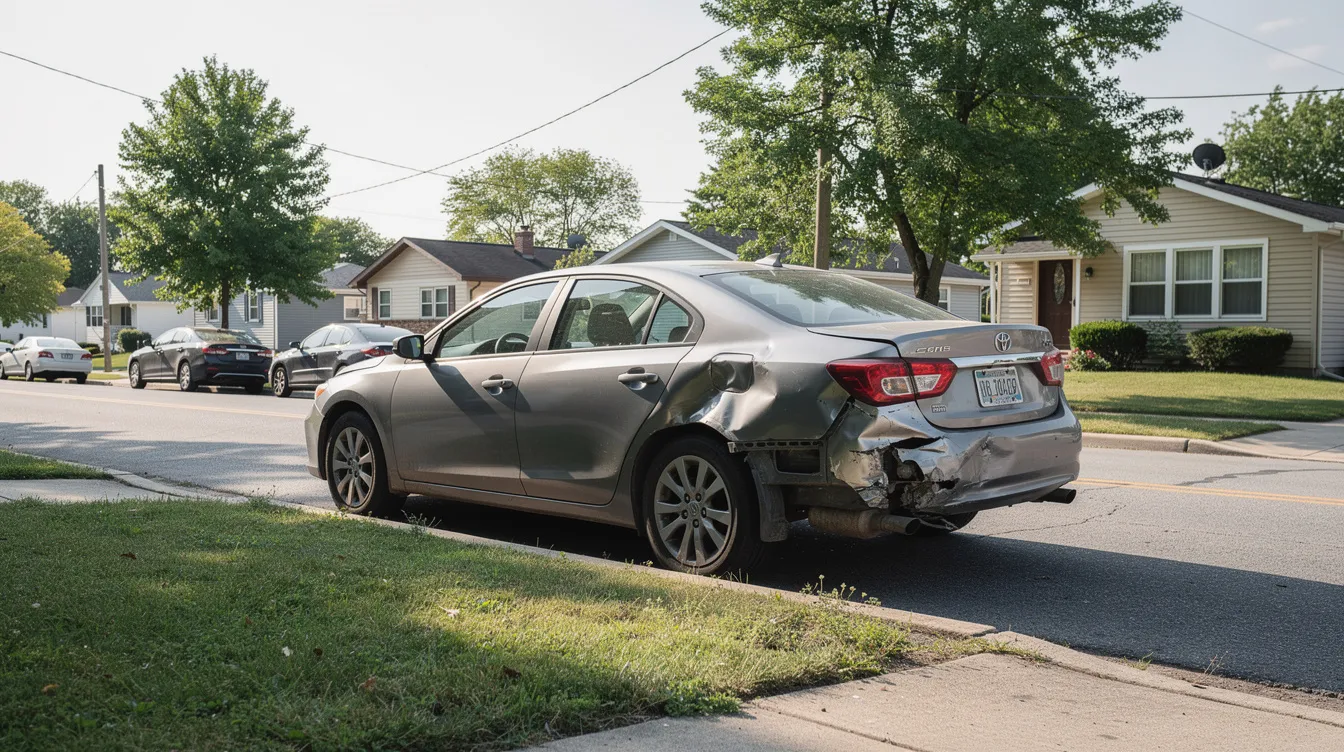
Steps in a Typical Virginia Car Accident Claim
A car accident case usually moves from the crash date through resolution over a series of defined phases. Most car accident claims settle out of court with legal help, but some cases require a trial.
Here is how the process generally works:
-
Initial consultation and case evaluation. An experienced attorney reviews the facts, injuries, and available insurance coverage during a free consultation.
-
Investigation and evidence gathering. Your legal team collects police reports, medical records, photographs, and witness statements.
-
Medical treatment and recovery monitoring. You focus on healing while the firm tracks treatment costs and outcomes.
-
Demand package submission. Your attorney sends a detailed demand to the insurance company outlining liability, injuries, and the full value of your losses.
-
Negotiation and possible mediation. The insurer responds, and both sides work toward a fair settlement.
-
Filing a personal injury lawsuit. Filing a lawsuit may be necessary if a fair settlement is not reached. Once filed, both sides exchange information through discovery, take depositions, and may continue settlement discussions even as a trial date approaches.
You can see a more detailed breakdown of how this works on our process page.
Timeline varies. A relatively straightforward injury claim may resolve within several months of completing medical treatment, while cases involving sustained injuries, disputed liability, or severe injuries can take significantly longer. Throughout this process, the legal team keeps clients informed, answers questions, and helps them make educated decisions about settlement offers and trial risks.
How Commonwealth Law Group Supports Clients Throughout the Process
Recovering from a car accident is not just a legal process. It affects every part of a client's life, from daily routines to financial stability. Our focus goes beyond courtroom strategy to include practical, day-to-day support.
Communication and accessibility from a lawyer are vital for client support. We provide:
-
Help understanding medical bills and insurance statements
-
Tracking of lost wages documentation and coordination with employers
-
Communication with medical providers about billing and possible liens
-
Meetings in our Richmond office, by phone, via video conference, or at a hospital or rehabilitation facility when injuries make travel difficult
-
Regular updates, realistic expectations about timelines, and honest discussion of settlement options versus trial
Our personal injury clients are not just a file number. We work to ease stress so people can concentrate on healing while the firm handles insurance negotiations, legal filings, and evidence preservation on their behalf.
When to Call a Richmond Car Accident Lawyer
It is almost always better to speak with a lawyer sooner rather than later, even if you are unsure you want to move forward with a claim. Accidents happen without warning, and the steps you take in the first days and weeks matter enormously.
Call right away if:
-
You suffered serious injuries or were hospitalized
-
You are missing more than a few days of work
-
Fault is disputed or unclear
-
Multiple vehicles were involved
-
A hit-and-run accident occurred
-
The insurance company is already pressuring you to settle
-
You are an injured driver dealing with an unresponsive or combative insurer
Even if you believe you may be partly at fault, Virginia's contributory negligence rules make it essential to have an experienced attorney analyze the facts before you assume you have no case. Fault is a legal conclusion based on evidence, not just an adjuster's opinion.
Clients should verify a lawyer's credentials and check for disciplinary actions before hiring. Client reviews and transparency are essential in assessing a lawyer's value. Commonwealth Law Group offers a free consultation, and there is no obligation to hire the firm after speaking with a lawyer about your car accident; you can find phone, email, and office details on our contact and helping services page.
Contact Commonwealth Law Group through HurtInVA.com or by phone for timely guidance about your specific situation. The consultation is completely free, and you will not pay a fee unless we recover the compensation you deserve.

Frequently Asked Questions About Car Accident Personal Injury Claims in Virginia
Below are answers to questions we hear regularly from car accident victims in Richmond and Central Virginia. For advice tailored to your specific facts, reach out for a free case evaluation.
Do I have to report every car accident to the police in Virginia?
Virginia law generally requires drivers to report crashes that cause injury, death, or property damage above a certain threshold. Calling 911 from the scene is usually the safest approach, both for your physical safety and for your future claim. An official police crash report documents parties, vehicles, apparent injuries, and any citations issued, making it one of the most important pieces of evidence in personal injury cases. If someone left the scene before police arrived or you did not get a report number, a car accident lawyer can help track down available documentation through law enforcement records.
What if I felt okay after the crash but developed pain days later?
Delayed symptoms are very common after auto accidents, especially for soft tissue injuries, concussions, and back or neck problems. You should see a doctor as soon as new pain appears and explain that you were recently in a motor vehicle accident. Insurance companies sometimes argue that later-surfacing injuries are unrelated to the crash, so thorough medical records and prompt follow-up visits are essential to linking those injuries to the car accident. If some time has passed, contact a personal injury lawyer to review your records and advise on next steps. Michigan law allows recovery for pain and suffering in car accidents, and Virginia law similarly permits recovery for these non-economic damages when properly documented.
Can I file a car accident lawsuit if a family member was killed in the crash?
Certain family members may bring a wrongful death claim under Virginia law when a loved one dies because of a negligent driver. Wrongful death damages may include funeral expenses, loss of income and services, and loss of the decedent's care, guidance, and companionship. These cases are especially time-sensitive, with a two-year deadline from the date of death, and emotionally difficult. Commonwealth Law Group can handle the legal details while the family focuses on grieving and healing. Learn more about Virginia's timeline in our article on Virginia's wrongful death statute of limitations.
What if the insurance company says I was partly at fault for the accident?
Virginia's contributory negligence rule means that being found even slightly at fault may bar recovery entirely, and insurers frequently raise this defense to avoid paying personal injury claims. However, fault is a legal conclusion based on evidence, not just an adjuster's opinion. An experienced car accident attorney can investigate and challenge unfair fault allegations using police reports, witness statements, and scene evidence. Do not assume you have no case until you speak with an auto accident attorney who can review the full picture.
How much does it cost to hire Commonwealth Law Group for a car accident case?
The firm handles car accident cases on a contingency fee basis, meaning you pay no upfront attorney's fees and only owe a fee if the legal team recovers money through a settlement or verdict. During a free consultation, the attorney will explain how contingency fees and case costs work so you understand the arrangement before signing anything. This structure allows injured people to access legal help regardless of their current financial situation and ensures the firm is invested in securing full and fair compensation for every client. Medical assistance, legal guidance, and peace of mind should never be out of reach because of cost.
About Dana Sullivan
Dana Charback Sullivan is a partner at Commonwealth Law Group in Virginia, where she focuses on personal injury and workers' compensation cases. Licensed in Virginia since 2009, she has dedicated her career to advocating for injured individuals and helping them secure the benefits they deserve. Dana is a graduate of Virginia Tech and has served as a managing partner at Commonwealth Law Group since 2019.
Meet Dana
If you have been injured at work or through the negligence of another individual or entity, contact us at (804) 999-9999 or use the form below to connect with our legal team. We will fight to get you the justice you deserve.